
Introduction
Wearable technology has become an important part of everyday life, helping people monitor their activity, understand their sleep patterns, and stay connected with useful digital tools. While smartwatches and fitness bands remain popular, smart rings are attracting attention from people who prefer a smaller, more discreet device. These compact wearables combine modern design with sensors and software that can provide useful information about daily habits and general wellness.
For consumers exploring smart rings uk, there are several factors to consider before purchasing a device. Design, comfort, battery life, smartphone compatibility, tracking features, and overall cost can all influence the buying decision. Some smart rings concentrate on sleep and recovery insights, while others offer features such as heart rate monitoring, activity tracking, and temperature trends.
A well-chosen smart ring can provide a convenient way to access personal wellness information without wearing a watch throughout the day. However, different models offer different capabilities, and not every device includes the same sensors or software features.
Understanding how these products work makes it easier to compare available options and identify a wearable that suits individual preferences. Whether someone wants a simple activity tracker or a more comprehensive wellness companion, learning about the essential features can help them make an informed decision.
What Is a Smart Ring?
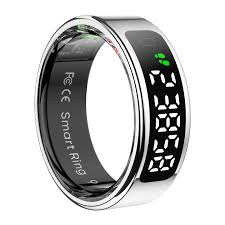
A smart ring is a compact electronic wearable designed to be worn on a finger. Although it resembles a traditional ring, its internal components may include optical sensors, motion sensors, electronic circuits, a rechargeable battery, and wireless connectivity.
These components collect selected measurements and transmit information to a compatible smartphone application. The app processes the data and presents it through charts, summaries, trends, and notifications, depending on the product.
Unlike a smartwatch, a smart ring usually has no large screen. Most interactions happen through a mobile application, allowing the ring to remain relatively simple and unobtrusive.
How Smart Rings Work
Smart rings use different sensors to collect information about the wearer’s movements and certain body signals. Optical sensors may use light to estimate heart rate, while motion sensors can detect movement during daily activities and sleep.
The device transfers collected information to an application, commonly through Bluetooth. The application then uses software algorithms to estimate different measurements or create summaries of activity and rest.
The accuracy and range of these measurements depend on the ring’s design, sensor quality, fit, software, and usage conditions. Therefore, buyers should examine the capabilities of each model instead of assuming all smart rings provide identical results.
Smart Rings Compared With Smartwatches
Smart rings and smartwatches serve overlapping but different purposes. A smartwatch may provide a display, notifications, GPS features, music controls, and interactive applications. A smart ring generally focuses on compactness and passive data collection.
People who prefer a lightweight wearable without a bright screen may find a ring more comfortable for continuous use. It can also be convenient during sleep because it does not have a watch face or wrist strap.
However, anyone who needs detailed workout displays, on-device navigation, or frequent interaction with applications may prefer a smartwatch. The best choice depends on how the device will be used throughout the day.
Why Smart Rings Are Becoming Popular in the UK
Interest in wearable wellness technology continues to encourage manufacturers to develop smaller devices that fit naturally into everyday routines. Smart rings appeal to consumers who want access to personal activity information without the appearance or size of conventional electronic wearables.
The UK market includes products at different price points, ranging from basic tracking devices to premium rings with more extensive software and analysis features. Availability, subscription requirements, warranties, and delivery options vary by retailer and manufacturer.
A Discreet Alternative to Wrist Wearables
One of the main attractions of a smart ring is its discreet design. Many models look similar to ordinary jewellery, making them suitable for work, travel, social occasions, and everyday activities.
Because the device does not have a screen, it can collect information without repeatedly displaying notifications or encouraging the wearer to check a watch. This can be appealing to people who want a more subtle approach to wearable technology.
Useful Information for Everyday Routines
Smart rings can help users recognise patterns in their daily habits. For example, an application might show changes in recorded activity, resting heart rate estimates, sleep duration, or overnight temperature trends.
These summaries can help users reflect on their routines and consider whether changes to sleep schedules, movement, or relaxation habits are worthwhile. The information is most useful when interpreted over time rather than treated as a definitive assessment based on one reading.
Important Features to Look for in Smart Rings UK
Not every smart ring includes the same technology. Comparing features carefully can prevent buyers from paying for unnecessary functions or choosing a device that does not meet their expectations.
1. Heart Rate Monitoring
Heart rate tracking is a major consideration for people interested in general wellness monitoring. Optical sensors commonly estimate heart rate by detecting changes in light reflected from blood flow beneath the skin.
Depending on the model, readings may be collected during rest, sleep, or selected activities. Some applications display resting heart rate trends, while others provide more frequent measurements throughout the day.
When comparing a budget smart ring with heart rate tracking, check how often the device measures heart rate and whether the application provides useful historical charts.
Also consider whether the manufacturer explains the limitations of its readings. Movement, poor fit, cold fingers, and sensor positioning can affect optical measurements. Smart ring heart rate readings should not automatically be considered equivalent to medical-grade monitoring.
2. Sleep Tracking
Sleep tracking is another widely promoted smart ring feature. Depending on the model, the device may estimate sleep duration, identify periods of movement, and categorise sleep into stages.
The application may also provide information about bedtime consistency and overnight heart rate patterns. These details can help users understand their routines and identify possible areas for improvement.
However, sleep stages are algorithmic estimates rather than direct measurements of brain activity. Results can differ from professional sleep assessments, so users should treat the information as an approximate guide.
For someone who dislikes wearing a watch in bed, a compact ring may offer a practical alternative.
3. Activity and Movement Tracking
Most activity-focused smart rings use motion sensors to identify movement and estimate daily activity. Depending on the product, features may include step counts, active time, calorie estimates, and selected exercise categories.
These measurements can help users monitor general movement throughout the week. Nevertheless, estimated calorie expenditure and step counts may vary between devices, particularly during activities that involve limited arm or hand movement.
People who regularly participate in running, cycling, swimming, or gym training should investigate how well a particular ring supports their preferred activities.
4. Temperature Trends
Some smart rings include sensors that record skin temperature or changes in temperature relative to an individual’s usual baseline. These measurements may contribute to overnight wellness summaries.
Temperature trends can sometimes provide context about changes in daily routines, recovery, or the environment. However, skin temperature is not the same as core body temperature, and a change in the reading does not establish the cause.
Buyers should confirm that a particular model actually includes temperature tracking because this feature is not available in every smart ring.
5. Battery Life and Charging
Battery performance has a direct effect on convenience. A ring that needs frequent charging may be less suitable for people who want to collect information throughout the day and night.
Manufacturers often publish estimated battery life, but actual performance depends on measurement frequency, connectivity, software settings, battery condition, and other factors.
When comparing models, consider the following:
- Expected battery life under ordinary usage.
- How long a full recharge takes.
- Whether a charging case is included.
- The availability and cost of replacement charging accessories.
- Whether the device can record information while disconnected from the phone.
A charging case may make travelling easier, while a simple charging dock might be sufficient for home use.
6. Smartphone Compatibility
Smart rings generally rely on a mobile application to display and interpret collected data. Before purchasing, confirm that the ring supports your smartphone’s operating system and required software version.
Check whether the application is available through the appropriate official app store and whether its main functions work without an ongoing subscription.
It is also useful to investigate whether data can be exported, whether the application supports other health platforms, and whether a reliable internet connection is necessary for particular features.
7. Water Resistance
Water resistance can be important for people who wash their hands frequently, exercise outdoors, or want to wear their ring around water.
However, water resistance ratings differ, and resistance to splashes does not necessarily mean that a device is suitable for swimming or prolonged immersion.
Read the manufacturer’s instructions before wearing a ring in a shower, swimming pool, sauna, or hot tub. Heat, chemicals, pressure, and prolonged exposure can affect the device even when a product is marketed as water-resistant.
8. Comfort, Materials, and Durability
A smart ring must fit comfortably because it is often intended for extended wear. Common construction materials include titanium, stainless steel, and other metal finishes, although the exact material varies between models.
Consider the ring’s weight, thickness, internal surface, finish, and resistance to scratches. A ring that feels comfortable for a few minutes may feel different after several hours.
It is also worth checking whether the manufacturer offers different sizes, replacement policies, and guidance for finding the correct fit.
Understanding Smart Ring Sizing
Correct sizing is essential for both comfort and sensor performance. A ring that is too loose may move around the finger, while one that is too tight may become uncomfortable as finger size changes throughout the day.
Some manufacturers provide sizing kits because their ring dimensions may differ from standard jewellery measurements.
Tips for Finding the Right Fit
First, follow the manufacturer’s sizing instructions instead of relying exclusively on a traditional ring size. If a sizing kit is available, wear the sample ring for the recommended period before ordering.
Try the ring on the finger recommended by the manufacturer and check that it stays in place without creating uncomfortable pressure. Remember that finger size can vary with temperature, activity, and time of day.
Consider whether you can comfortably remove the ring and whether the sensors maintain appropriate contact with the skin.
For anyone uncertain between two sizes, the manufacturer’s fit guidance should take priority over general sizing advice.
Benefits of Using a Smart Ring
Smart rings offer several potential advantages for people who want a compact wearable. Their usefulness depends on the features included, the quality of the application, and how consistently the device is worn.
Convenient Daily Monitoring
A smart ring can collect selected measurements without requiring the wearer to open an application or interact with a screen. The information can be reviewed later, making the device suitable for people who prefer passive tracking.
This convenience may encourage users to pay more attention to patterns in their activity and rest.
A Screen-Free Experience
Some people find constant smartwatch notifications distracting. Since most smart rings do not have a conventional display, they provide a simpler experience centred on information that can be reviewed when convenient.
This approach may be attractive to people who want wellness insights without adding another source of notifications to their day.
Potential Support for Better Habits
Long-term trends can help users reflect on their routines. For example, a person might notice that their sleep schedule becomes less consistent during busy periods or that their recorded activity changes when they spend more time sitting.
These observations can encourage practical adjustments, such as maintaining a regular bedtime or taking movement breaks.
A smart ring cannot guarantee better health or sleep, but its information may support informed personal decisions when combined with common-sense habits.
Convenient Travel and Everyday Wear
A compact ring can be easy to pack and wear while travelling. Depending on the model, it may continue collecting certain measurements without requiring constant interaction with a phone.
Battery life, charging accessories, regional application availability, and connectivity requirements should still be considered before travelling.
Finding a Budget Smart Ring With Heart Rate Tracking
Not everyone needs a premium wearable. For many buyers, an affordable device that records a few useful measurements may offer better value than a more expensive model with advanced features they rarely use.
Searching for a budget smart ring with heart rate tracking is a practical starting point, but the lowest purchase price should not be the only consideration.
Essential Features at an Affordable Price
Start by identifying the features you will actually use. If heart rate trends, basic activity information, and sleep estimates are your main priorities, a simpler model may be sufficient.
Compare the following details before making a decision:
- Whether heart rate tracking is explicitly supported.
- Whether sleep and activity tracking are included.
- Battery life and charging arrangements.
- Compatibility with your smartphone.
- Application costs and subscription requirements.
- Water resistance and warranty coverage.
- The availability of customer support and replacement accessories.
A low-priced ring that lacks reliable software support may become less useful over time than a slightly more expensive alternative.
Check the Total Cost of Ownership
The initial retail price does not always represent the full cost of using a smart ring. Some brands charge recurring fees for advanced reports or additional analytical features, while others include their core application functions without a subscription.
Check whether the purchase includes a charger, sizing kit, and any necessary accessories. Also investigate shipping costs, return conditions, and warranty arrangements when ordering online in the UK.
Reading the product specifications and terms carefully can help prevent unexpected expenses.
Compare Value Rather Than Price Alone
A useful comparison considers what each device delivers for its cost. A less expensive model may be suitable for basic daily tracking, while a premium product may provide more detailed reports, stronger software support, or additional sensors.
Neither option is automatically better for every buyer.
Focus on the reliability of the functions you need, the ease of using the application, and the manufacturer’s support arrangements. This creates a more meaningful comparison than selecting a product solely because it has the lowest advertised price.
How to Choose the Right Smart Ring in the UK
With several designs and feature combinations available, a structured buying process can make the decision easier.
Step 1: Define Your Main Purpose
Think about why you want a smart ring. Some buyers are primarily interested in sleep trends, while others want to monitor resting heart rate, daily movement, or general activity patterns.
Write down the two or three features that matter most. This helps narrow the options and prevents less important marketing claims from dominating the decision.
Step 2: Set a Realistic Budget
Establish a comfortable spending limit before comparing products. Include the potential cost of subscriptions, accessories, delivery, and replacement components.
Remember that expensive features are not necessarily useful if they do not match your daily routine.
Step 3: Review the Technical Specifications
Read the official product page carefully. Confirm which sensors are included, what measurements the ring records, how frequently it collects data, and which features require the application.
Be cautious about vague phrases such as advanced health monitoring if the manufacturer does not explain what the device actually measures.
Step 4: Check Independent Reviews
Customer reviews and independent product tests can provide useful information about comfort, battery life, application stability, sizing, and customer support.
Look for reviews that describe real-world usage over several weeks rather than relying only on first impressions. Pay attention to recurring complaints, such as unreliable syncing or difficulty obtaining the correct size.
Check the date of each review because application updates and newer hardware versions may change the ownership experience.
Step 5: Understand Returns and Warranty Terms
Buying a wearable online involves more than selecting a product and paying for it. Check the retailer’s return policy, warranty conditions, and procedures for reporting a faulty device.
Ring sizing can complicate returns, especially if a product has been opened or used. Read the terms before purchasing and retain the order confirmation and warranty information.
For UK purchases, understand who handles repairs, replacements, and customer support.
Smart Ring Privacy and Data Security
Smart rings may collect personal information about activity, sleep, heart rate, and other measurements. Because this information can reveal details about everyday routines, privacy deserves attention during the buying process.
Review the manufacturer’s privacy policy to understand what information is collected, how it is stored, and whether it is shared with third parties.
Check whether the application offers account deletion, data export, privacy controls, and options for limiting data sharing. A strong password and appropriate smartphone security settings can provide additional protection.
It is also useful to understand whether the device stores information locally, transfers it to cloud services, or requires an online account for normal operation.
Choose a manufacturer that explains its practices clearly and provides accessible support for privacy-related questions.
Limitations of Smart Rings
Although smart rings can be useful, they have limitations that buyers should understand.
Measurements Are Estimates
Heart rate, sleep stages, activity levels, and calorie expenditure may be estimated by sensors and algorithms. Results can vary depending on the device, fit, activity, and individual circumstances.
These measurements are best used to observe general patterns rather than as exact values.
Not Every Activity Is Supported
A smart ring may be suitable for daily movement and overnight monitoring but less useful for certain sports or specialised training. Some activities can interfere with sensor contact or make a ring uncomfortable to wear.
People who participate in weightlifting, contact sports, or activities involving heavy equipment should review safety guidance before wearing a ring. Removing jewellery may be advisable when there is a risk of catching or compression.
Medical Use Requires Caution
Consumer smart rings are not automatically medical devices. Unless a specific product has the relevant regulatory authorisation for a particular purpose, its measurements should not be used to diagnose a condition or replace professional medical advice.
Anyone concerned about unusual symptoms should seek appropriate medical guidance rather than relying solely on a wearable’s readings.
Features Differ Between Models
Marketing descriptions can make products sound similar even when their actual capabilities differ. A ring advertised for fitness may not provide the same level of heart rate analysis, temperature monitoring, or application functionality as another model.
Always check the exact product specifications and supported features.
Maintaining Your Smart Ring
Routine care can help preserve a smart ring’s condition and performance.
Clean the ring according to the manufacturer’s instructions, using only suitable materials and cleaning methods. Avoid harsh chemicals or abrasive tools that could damage its finish or seals.
Keep charging contacts and accessories clean, and use the recommended charging equipment. Install official application and firmware updates when available.
Inspect the ring periodically for visible damage. If its shape changes, the casing cracks, or the device becomes unusually warm during charging, stop using it and contact the manufacturer for guidance.
Store the charging accessories in a safe place and follow the product’s instructions for long-term storage.
The Future of Smart Rings
Smart rings are part of a broader movement towards smaller and more specialised wearable devices. As sensor technology and software continue to develop, future products may offer improved battery efficiency, more useful data summaries, and easier integration with other digital health platforms.
Manufacturers may also focus on better sizing options, more durable materials, and clearer explanations of what their measurements mean.
However, new features should be judged by their practical value rather than marketing claims alone. Reliable measurements, comfortable designs, transparent privacy practices, and useful software support will remain important considerations for consumers.
For buyers in the UK, developments in the market may create more choices across different budgets. Comparing established products with newer alternatives will remain a sensible way to identify suitable features and avoid paying for unnecessary extras.
Conclusion
Smart rings provide a compact alternative to traditional wearable technology, combining discreet designs with sensors that can estimate selected measurements related to activity, heart rate, and sleep. Their usefulness depends on the quality of the hardware, the software experience, and the features available on each model.
For anyone researching smart rings UK, the most effective approach is to identify personal priorities, check smartphone compatibility, evaluate battery performance, and review the manufacturer’s warranty and privacy policies. Correct sizing is equally important because comfort and sensor contact can influence the overall experience.
Consumers looking for a budget smart ring with heart rate tracking should compare the complete ownership cost rather than focusing exclusively on the purchase price. A reasonably priced device with useful tracking features, dependable software, and clear support arrangements may be more practical than a premium product with unnecessary functions.
Ultimately, the right smart ring is the one that fits comfortably, supports the measurements you care about, and integrates naturally into your routine. By researching specifications carefully and maintaining realistic expectations about wearable data, buyers can make a more informed decision and get greater value from their chosen device.